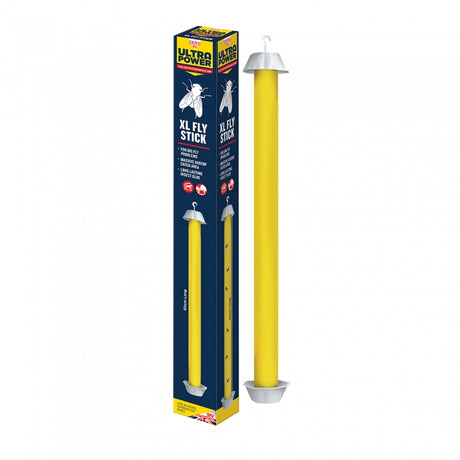
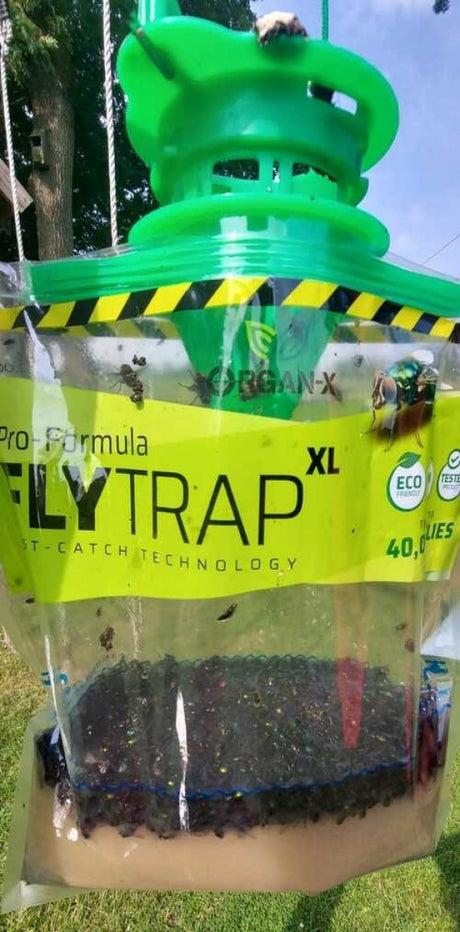
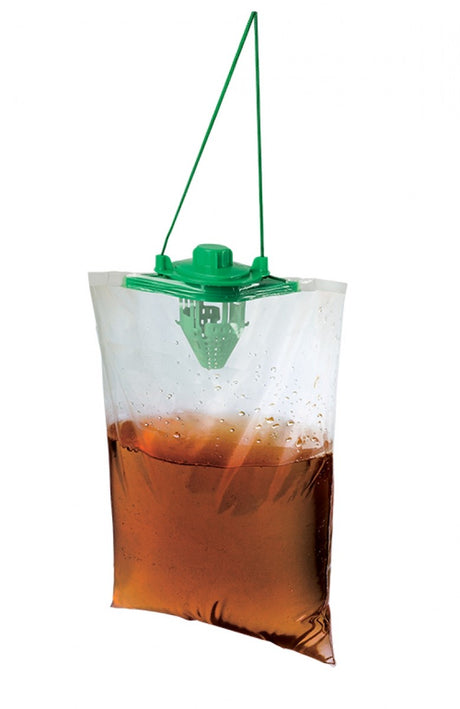
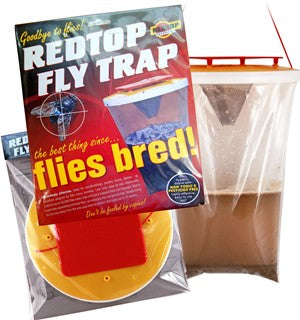
Hanging fly trap bags such as the Red Top Fly Trap are a simple way to attract and trap flies. Add water, hang it up outside and watch the flies go to it.
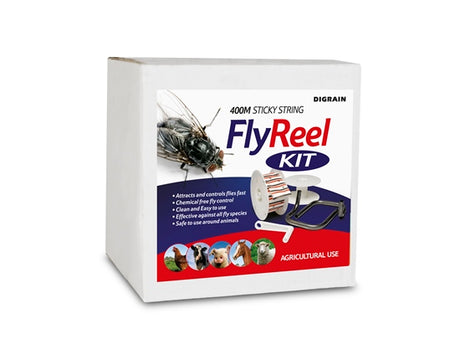
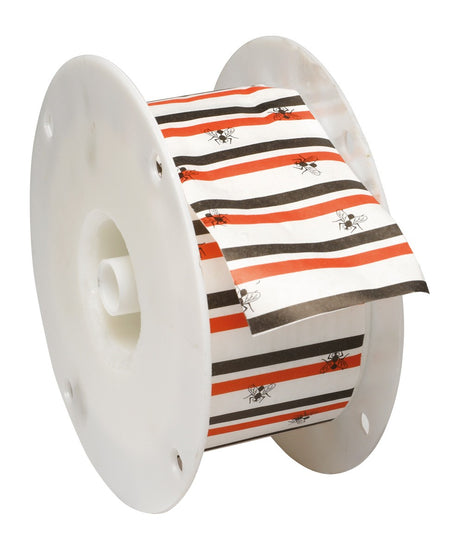
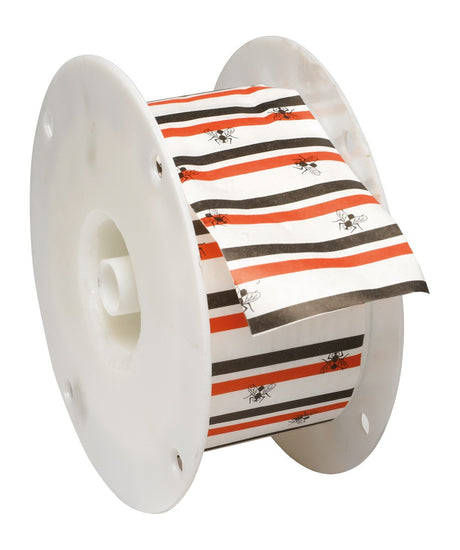
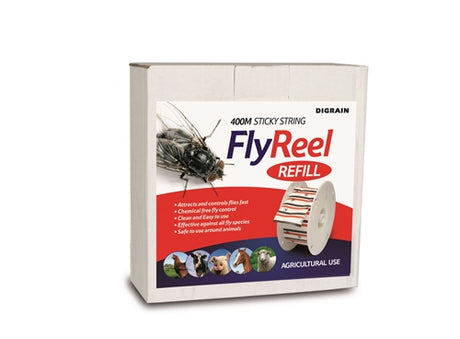
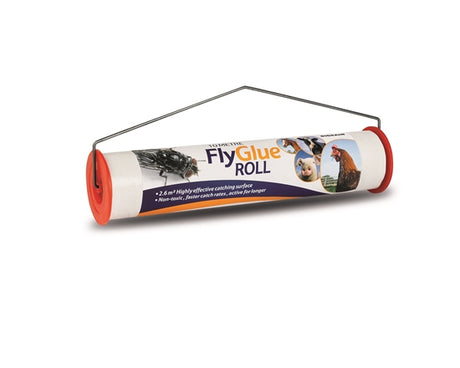
Traditional sticky fly tapes such as the Fly Reel Kits are suspended across rooms and when the fly stands on them they can't get off.
Traps are a key part of pest control programmes where safe, controlled and targeted management is required. They are widely used to monitor and reduce pest activity in environments where hygiene, safety and cleanliness are important. Traps help manage pests such as rodents and other small animals by providing a practical method of control that supports wider pest management strategies.
In agricultural settings, traps are commonly used to help protect buildings, feed stores and livestock areas. On Poultry Farms, pest control is especially important due to the presence of feed, warmth and shelter that can attract unwanted animals. Using appropriate traps helps Poultry Farms reduce pest pressure while supporting biosecurity and hygiene standards.
The traps range at Dalton Supplies includes practical solutions designed for use in both indoor and outdoor environments. Traps are often placed along walls, near access points or in areas where signs of pest activity have been identified. Correct positioning helps improve effectiveness and supports ongoing monitoring of pest movement.
Traps are frequently used as part of an integrated pest management approach. This means combining trapping with good housekeeping practices, monitoring and exclusion methods. On Poultry Farms, this approach helps reduce reliance on reactive treatments and supports consistent pest control throughout the year.
Regular inspection is essential when using traps. Checking traps allows users to assess activity levels and make adjustments where needed. On Poultry Farms, routine monitoring helps identify potential issues early, reducing the risk of infestations becoming established and impacting livestock welfare.
Correct use of traps is important to ensure safety and effectiveness. Following manufacturer instructions helps ensure traps are set and maintained correctly. This is particularly important in environments where people and animals are present, as responsible use helps reduce risks to non target species.
Traps also support hygiene by helping limit pest access to feed and housing areas. Pests can contaminate surfaces and stored materials, leading to hygiene concerns and potential losses. Using traps as part of a structured control programme helps protect valuable resources and maintain cleaner surroundings.
Different environments may require different types of traps depending on the pest being managed and the location. Indoor and outdoor areas may benefit from different trapping solutions. Selecting appropriate traps for each situation helps ensure effective control while fitting into existing routines.
Effective pest control also contributes to the professional appearance of a site. Visible pest activity can raise concerns about cleanliness and management standards. On Poultry Farms and other agricultural environments, maintaining control helps create reassurance for staff, visitors and inspectors.
Dalton Supplies offers traps selected to support reliable and responsible pest control across professional settings. The range is suitable for use on Farms, Poultry Farms and other environments where managing pest activity is essential. When used as part of a planned and monitored approach, traps help maintain clean, secure and well managed spaces.